


For most Kenyan families, an emergency is something they hope will never happen. But when it does, the biggest challenge is often not only the emergency itself—it is the financial pressure that comes with it.
A sudden hospitalization, childbirth, or the death of a loved one can completely disrupt a family’s finances. Savings can disappear within days, household needs may be neglected, and families can find themselves asking relatives, friends, churches, neighbours and colleagues for financial assistance.
This is why welfare planning matters.
A welfare plan is not about expecting something bad to happen. It is about preparing your family to remain financially stable when life takes an unexpected turn.
Hospital Bills and Unexpected Medical Expenses
Medical emergencies are among the most common causes of sudden financial pressure in families.
A family member may wake up feeling unwell and, within hours, require admission to hospital. Even when a family has some savings, an extended hospital stay can quickly become expensive.
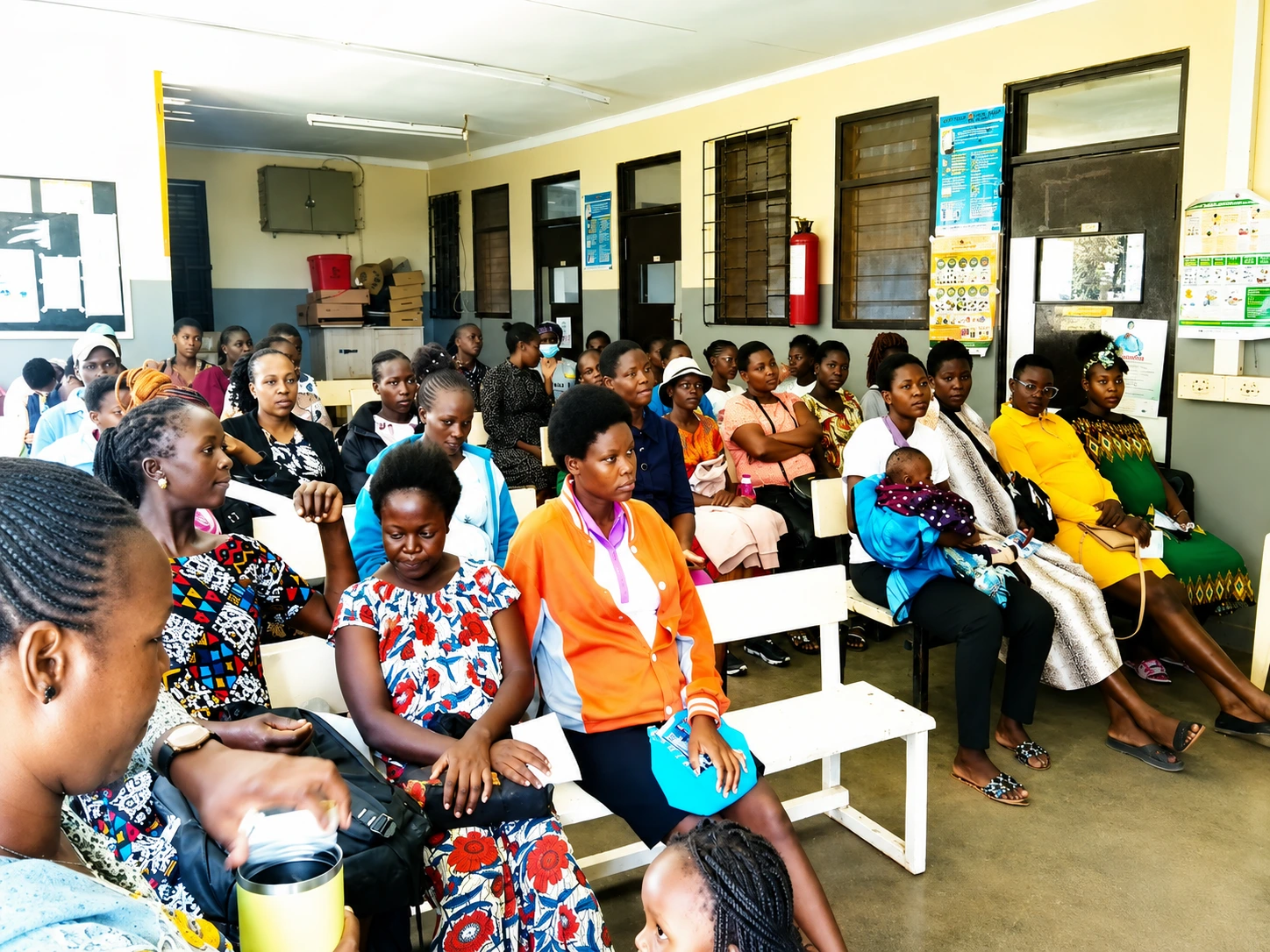
Members during a Medical Camp at Homa Bay Teaching and Referral Hospital, Tujilinde Companion
The costs may go beyond the hospital bill itself. There may be expenses for medicines, laboratory tests, consultations, transportation, meals for caregivers and other necessities.
For a household living from one income or depending on irregular earnings, an unexpected medical bill can force difficult decisions.
Should the family use money meant for rent? Should school fees be delayed? Should the family’s small business capital be withdrawn? Should a loan be taken?
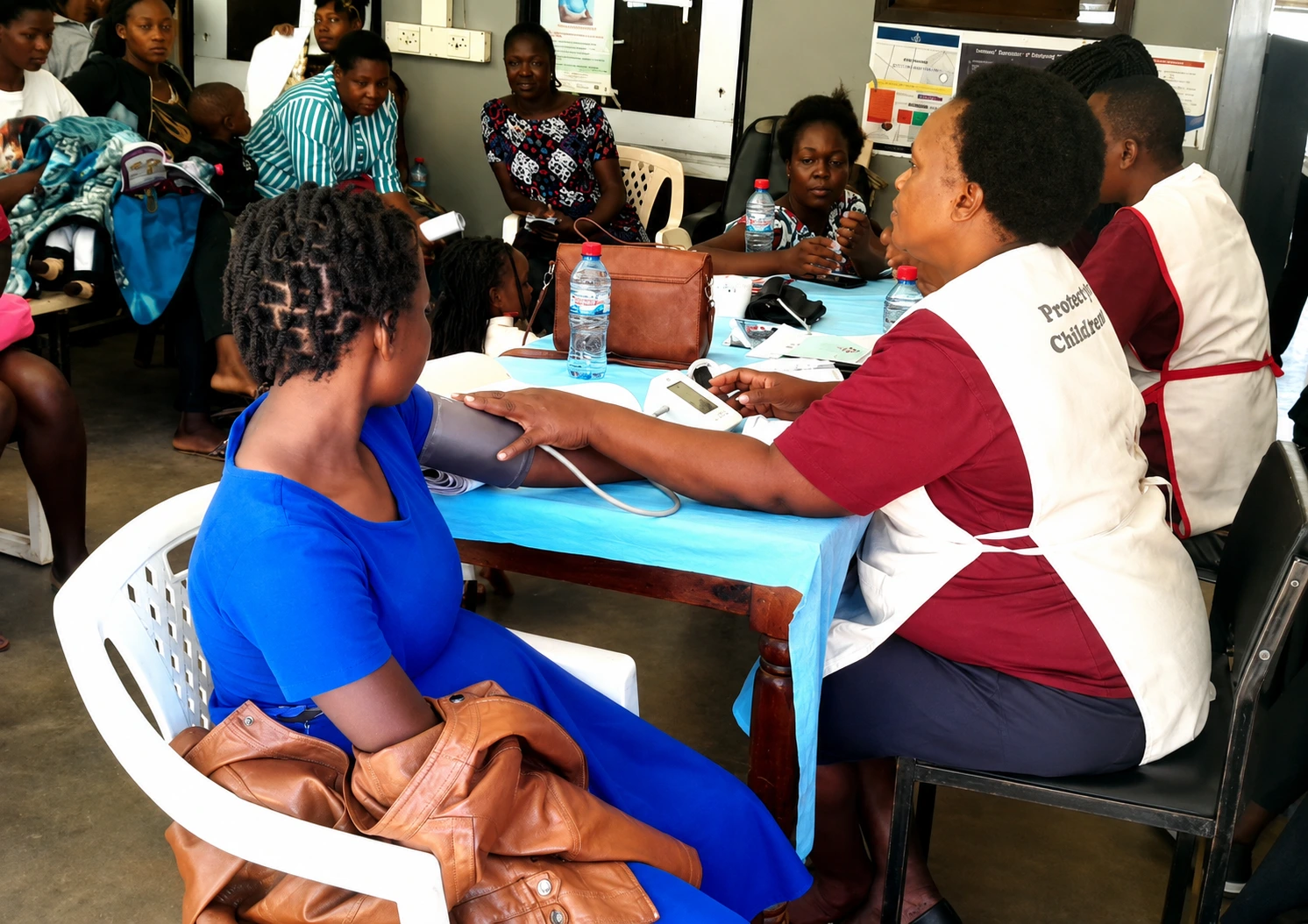
Medical Attendants offering free consultations to Tujilinde Companion Members during a Medical Camp.
These are decisions that no family wants to make during an already stressful medical situation.
This is where having a medical welfare arrangement before an emergency occurs can make a significant difference. Instead of starting from zero when a crisis happens, a family can have a structured support system already in place.
Childbirth Can Also Become a Financial Emergency
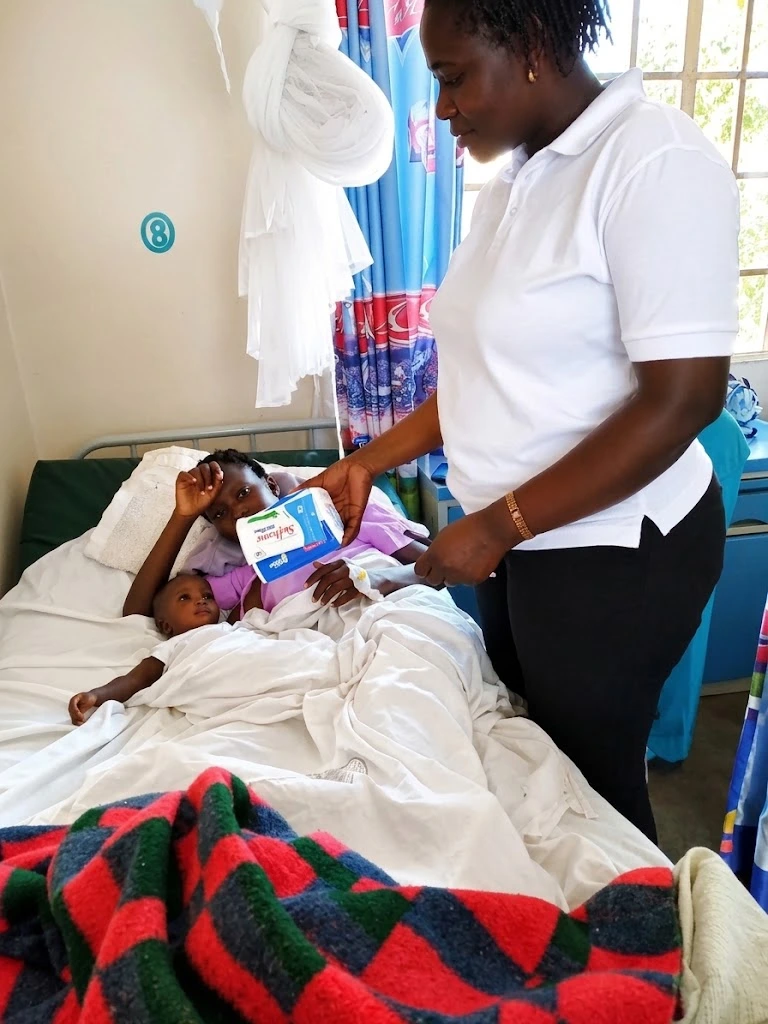
Tujilinde Companion Field representative visiting a member during Maternity care, under Mama Watoto Program
Childbirth is supposed to be a moment of joy, but for many families, preparing for a new baby also means preparing for significant expenses.
Maternity costs can include antenatal visits, consultations, tests, medication, delivery charges, transportation and postnatal care. Complications during delivery can introduce additional and unexpected expenses.
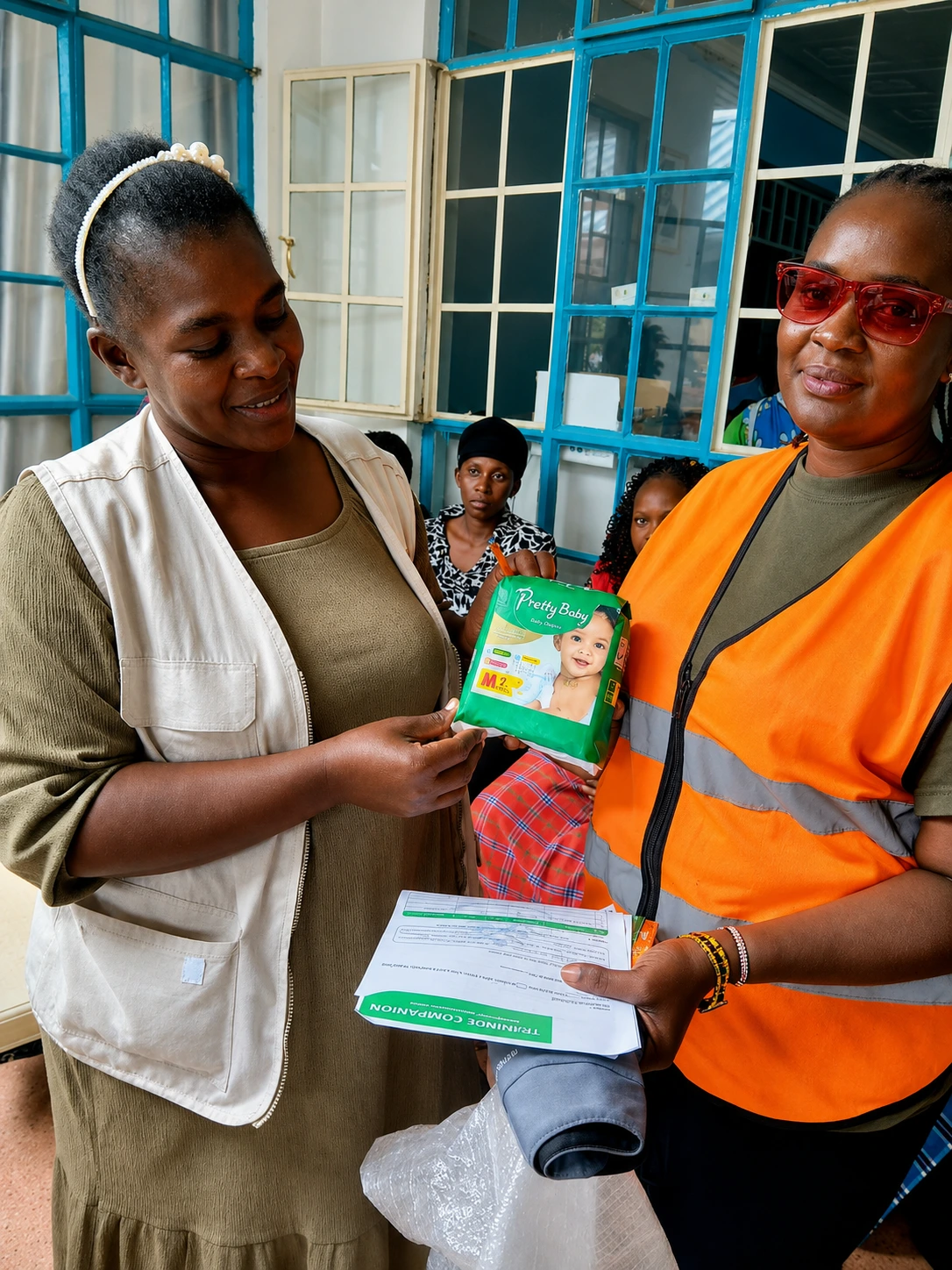
Tujilinde Companion field representative at Baba Dogo Level 3 Hospital during the Mama Watoto program drive along with a facility attendant
For a family that has not planned for these costs, what should be a joyful experience can quickly become a financial burden.
Planning ahead is therefore important, especially for families expecting a child. A maternity welfare arrangement such as Mama Watoto can help families prepare for maternity-related needs before delivery rather than trying to find money after an emergency has already occurred.
The important lesson is simple: financial preparation for childbirth should begin before the delivery date—not when the mother is already at the hospital.
The Financial Pressure of Losing a Loved One
Loss brings emotional pain that cannot be measured in money. Unfortunately, it can also create immediate financial responsibilities for the family left behind.
Funeral expenses can include transportation, burial arrangements, food, tents and chairs, communication, mortuary-related costs and other logistical needs.

Tujilinde Companion walking with one of it’s members during send off under our Msiba Plan
In many Kenyan communities, families also feel a strong social responsibility to give their loved one a dignified send-off.
The problem is that these expenses often come at a time when the family is emotionally and financially vulnerable.
A death can also affect household income, particularly when the person who has passed away was a major provider.
A welfare arrangement such as Msiba plan can provide structured support during such a difficult period, helping reduce the financial burden when the family needs assistance most.
Why Relying on Fundraising Alone Can Be Risky
Kenyan communities have a powerful culture of supporting one another.
When someone falls sick or a family loses a loved one, people often come together through WhatsApp groups, churches, workplaces, chama groups, family networks and community fundraising.
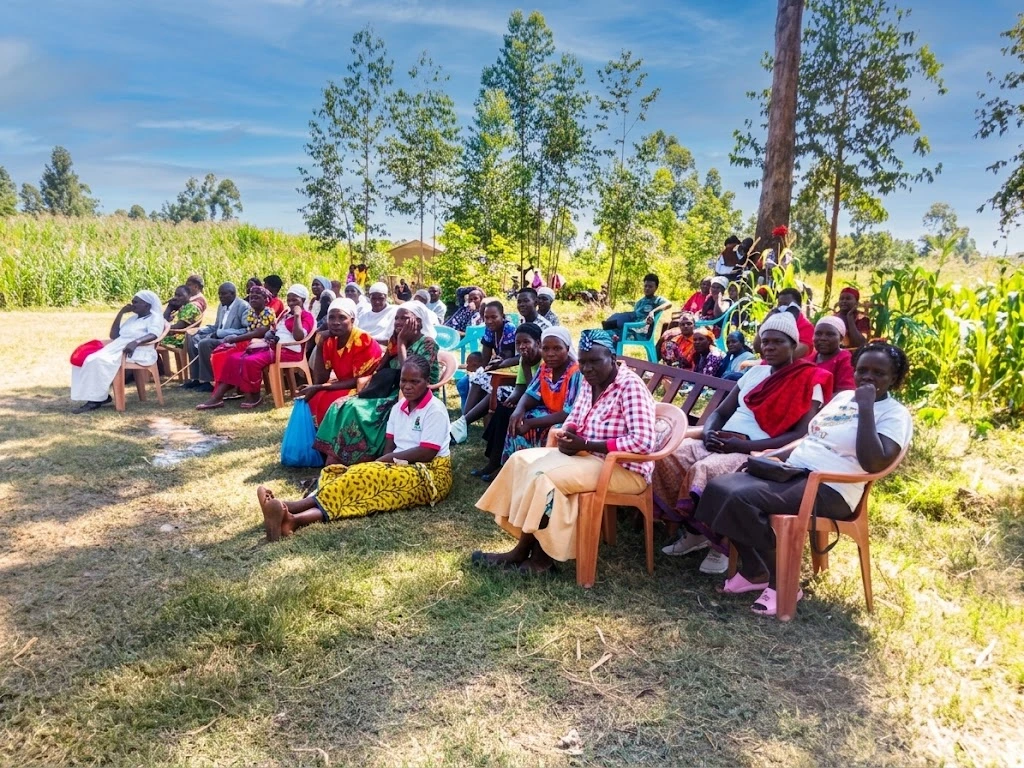
Families at a fundraiser in Siaya, during one of Tujilinde Companion’s visit to the area
This spirit of togetherness is valuable and should be celebrated. However, fundraising should not be the family’s only emergency strategy.
Fundraising depends on other people’s ability and willingness to contribute at that particular moment. Sometimes several people within the same network may also be facing financial difficulties.
There is also no guarantee that a fundraiser will reach its target quickly enough to meet an urgent hospital or funeral expense. A welfare plan therefore does not replace community support. Instead, it complements it.
Rather than waiting for an emergency before asking for help, families can build a layer of financial protection in advance.
How Families Can Prepare Before an Emergency Happens
Welfare planning begins with accepting one simple reality: emergencies are unpredictable, but preparation is possible.
Families can start by identifying the emergencies that would have the greatest financial impact on their household.
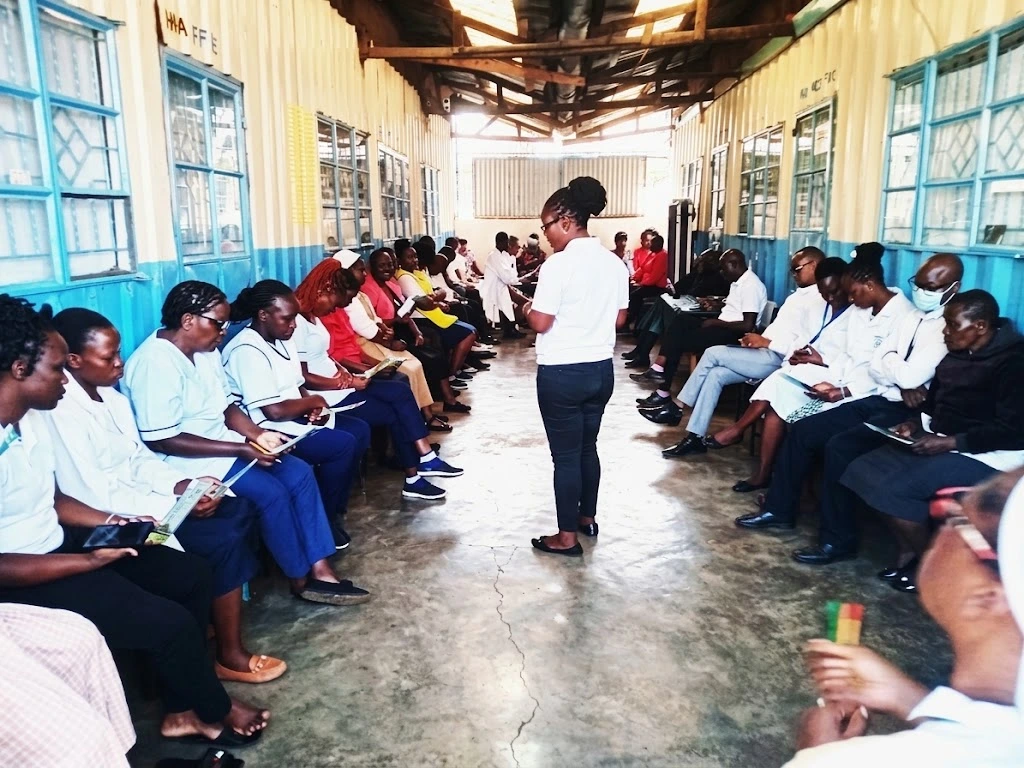
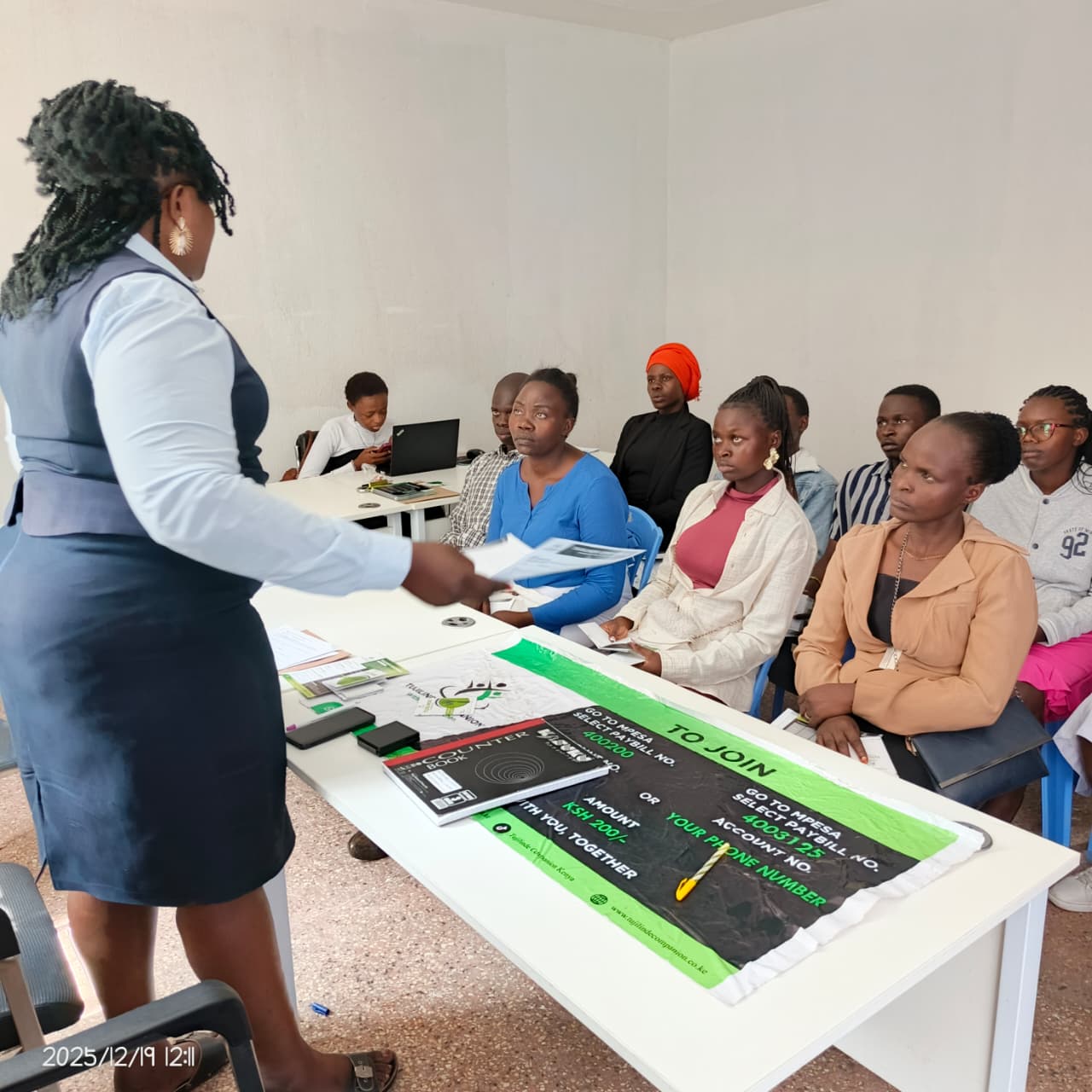
Sophie Odhiambo, Kisumu Regional Manager, Tujilinde educating members at a meeting
Consider questions such as:
- What would happen if a family member required hospitalization tomorrow?
- How would we meet maternity expenses?
- What would happen if the main income earner died?
- Do we have emergency savings?
- Who would support the family if our savings were exhausted?
- Are we relying entirely on relatives and friends?
After identifying these risks, families can develop a welfare strategy.
This may include maintaining emergency savings, having appropriate insurance or welfare arrangements, budgeting for expected expenses, and ensuring that family members understand what support is available.
Most importantly, preparation should happen before the emergency.
Welfare Planning Is About Protecting Stability
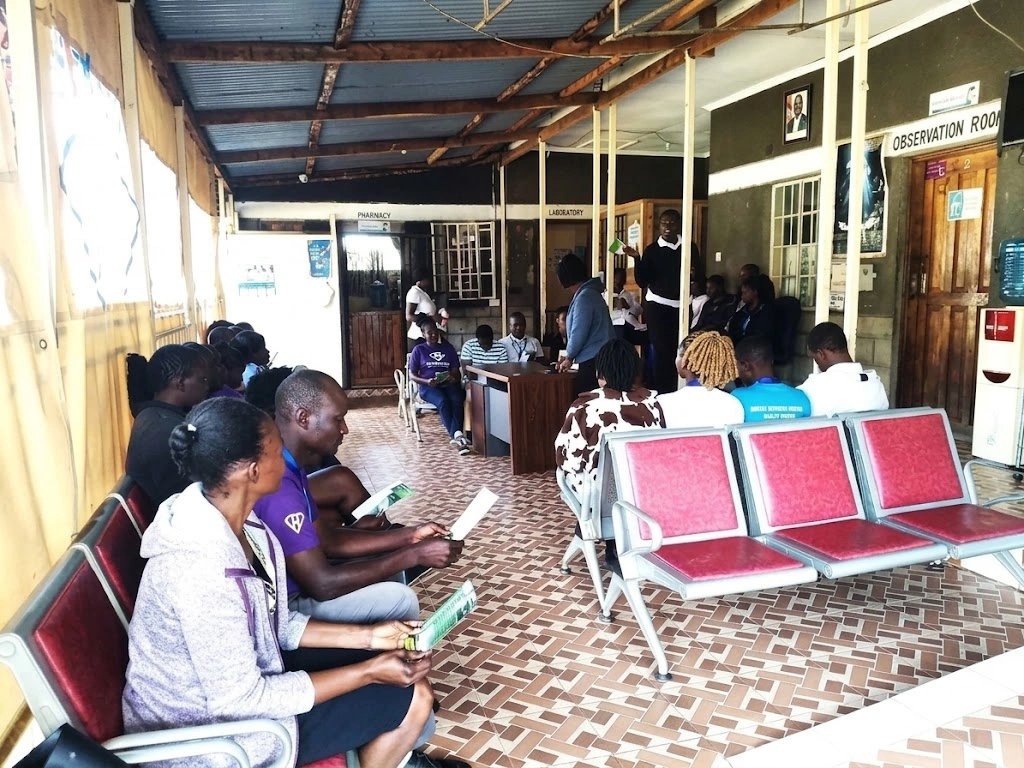
Members at a meeting in Kisumu, Tujilinde Companion
Many people think financial planning is only about investments, property or saving for retirement.
But protecting a family’s everyday stability is equally important.
A good welfare plan helps a family prepare for situations that could otherwise interrupt education, housing, food, business operations and other essential needs.
For example, a medical welfare scheme such as Afya Yetu can help families prepare for hospitalization. Mama Watoto focuses on maternity support, while Msiba plan provides welfare support when a family loses a loved one.
These approaches reflect an important principle: welfare should not begin when the crisis starts. It should begin while things are still normal.
The Question Every Family Should Ask
The real question is not whether an emergency will happen.
The question is:
“If an emergency happened tomorrow, would my family be financially prepared?”
You may not be able to predict when someone will fall sick, when a child will be born, or when a loved one will pass away.
But you can decide how prepared your family will be when those moments come.
A welfare plan is therefore more than a financial product. It is a practical approach to protecting the people who depend on you.
Because emergencies are difficult enough without having to face them while wondering where the money will come from.